Erinn's place names: the real Ireland behind the map
✍️ Alice・愛麗沙
Most players assume Erinn’s names were invented for a fantasy game. Mostly they weren’t. Most of them are real places in Ireland, Scotland and Wales, a few are battlefields from medieval Irish texts, and the rest are plain Gaelic words or names devCAT made up. Knowing which is which won’t add a point of combat power, but it changes how the map reads. Korea’s map, region by region and in the order it opens, is on the zones page and in our map guide.
“Erinn” is Ériu, the goddess whose name became Éire, Ireland. Of Korea’s 14 regions, 4 are real places (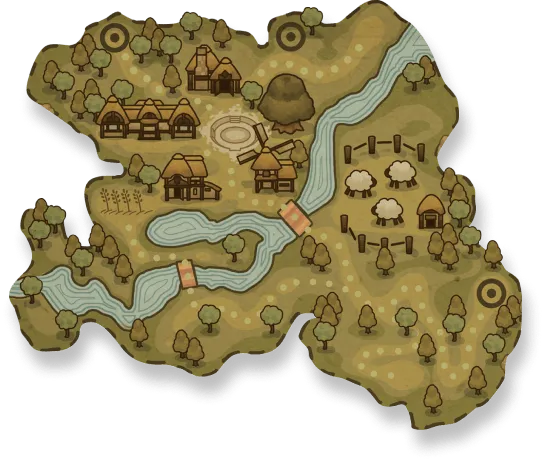 Tir Chonaill is the old name for County Donegal,
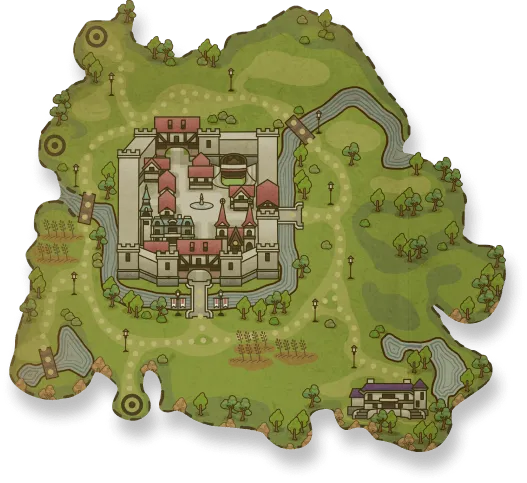 Dunbarton is Dumbarton in Scotland,
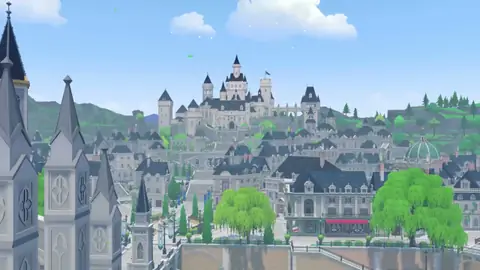 Emain Macha is Navan Fort in County Armagh, Bangor is a monastery town in both Ireland and Wales). 2 are sites from medieval Irish texts (Gairech, Sen Mag). 1 is built from Irish words (
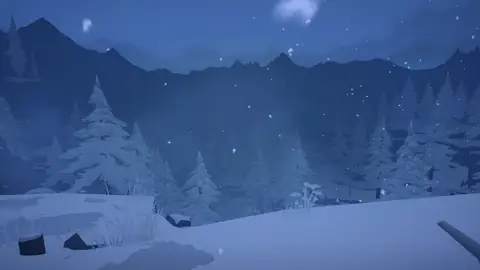 Sidhe Sneachta, roughly “snow fairy-mound”). 5 are plain descriptions (
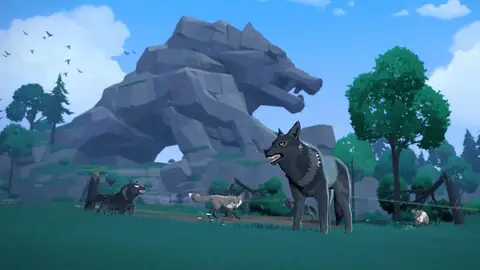 Wolf Forest,
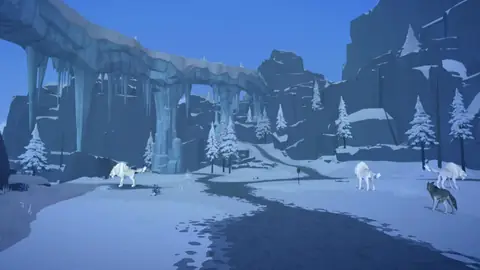 Ice Gorge, Goddess’s Garden,
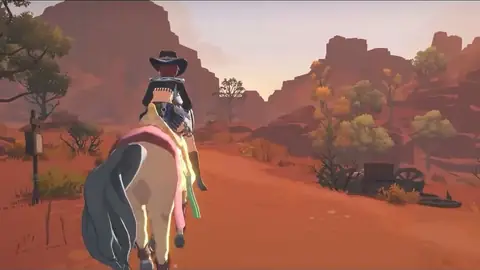 Cloud Wasteland,
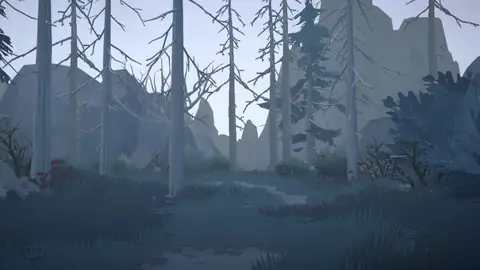 Pale Mountain). 1 comes from another Nexon game (Colhen, from Vindictus), and 1 we couldn’t trace (
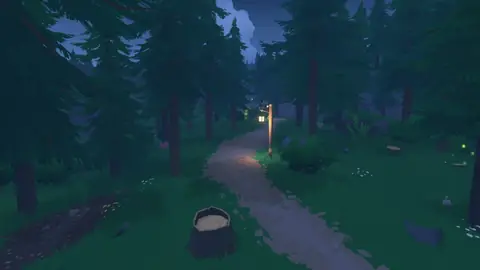 Dugald Aisle). Dungeon names are mostly ordinary Gaelic words: Ciar “dark”, Peaca “sin”, Rundal/Runda “secret”, Fiodh “wood”.
The rule: three kinds of name, and they’re easy to mix up
Before looking for the “myth behind” a name, ask what kind of name it is:
- A real place. The word is a real town or fort. Its story is history and geography, not myth.
- A place from the medieval texts. The name comes from stories like the Táin or the Book of Invasions. These are the names with stories behind them.
- A word or a description. The name is an ordinary word (“dark”, “secret”) or plain English or Korean. There’s no story to find.
The common mistake is treating type 1 or type 3 as type 2.
The tally: 14 regions
| Region | Opened in Korea | Kind | The original |
|---|---|---|---|
| Tir Chonaill | launch | real place | Tír Chonaill, “Conall’s land” (County Donegal) |
| Dugald Aisle | launch | not traced | — |
| Wolf Forest | launch | description | — |
| Dunbarton | launch | real place | Dumbarton, “fort of the Britons” (Scotland) |
| Goddess’s Garden | launch | description | no particular goddess named |
| Sidhe Sneachta | launch | built from words | síd (fairy mound) + sneachta (snow) |
| Ice Gorge | launch | description | — |
| Colhen | launch | another game | Vindictus’s starting town |
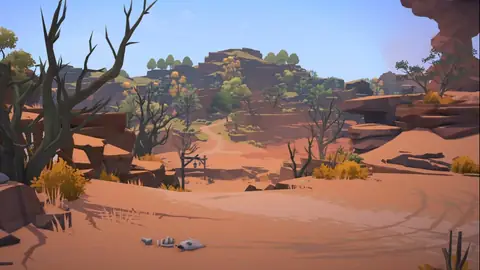 Gairech Hill | 19 Jun 2025 | medieval text (likely) | Gáirech, the Táin’s last battlefield |
| Cloud Wasteland | 19 Jun 2025 | description | — |
| Bangor | 19 Jun 2025 | real place | Bangor, Co. Down and Gwynedd |
| Sen Mag Plains | 25 Sep 2025 | medieval text | Sen Mag, “old plain” |
| Emain Macha | 25 Sep 2025 | real place, with legend | Navan Fort, Co. Armagh |
| Pale Mountain | 25 Jun 2026 | description | — |
That’s 4 real places, 2 from the texts, 1 built from words, 5 descriptions, 1 borrowed and 1 untraced. Most of the launch map is real geography. Myth only shows up on the map from June 2025 onwards, which fits the story heading toward war and gods.
Erinn itself: a goddess’s name
In the Lebor Gabála Érenn (the Book of the Taking of Ireland), the Milesians, the last invaders, meet three goddesses of the land: Banba, Fódla and Ériu. Each asks for the island to be named after her. The poet Amergin gives the honour to Ériu. Her name became Éire, its genitive Éireann, and the English Erin. “Erinn” is that word with an extra n.
So the game’s world is named after the country, and the country is named after a goddess who made a deal with invaders. That’s the right backdrop for a story where the invaders become the heroes.
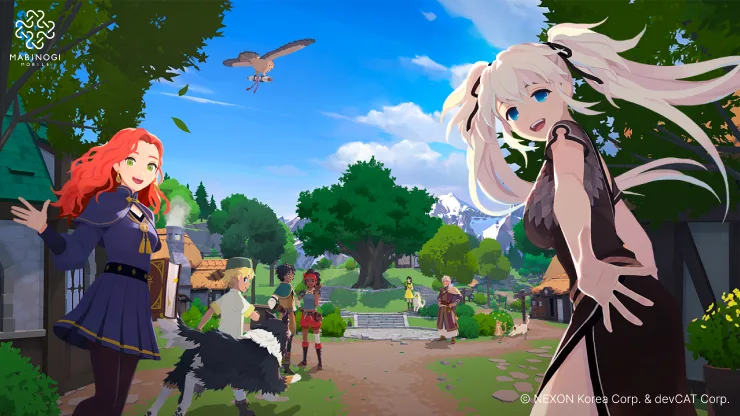
The four real places
Tir Chonaill. Tír Chonaill means “Conall’s land”, after Conall Gulban, a son of the semi-legendary king Niall of the Nine Hostages. It was a kingdom in the far north-west of Ireland, later held by the O’Donnells, and covered most of what’s now County Donegal. People still use the name for Donegal. The game’s quiet farming village is named after a kingdom.

Dunbarton. Dumbarton is in Scotland, not Ireland. The name comes from Gaelic Dùn Breatann, “fort of the Britons”. Dumbarton Rock on the River Clyde was the capital of a Brittonic kingdom (Alt Clut, later Strathclyde) for centuries. So Erinn’s map mixes the Gaelic world: an Irish kingdom next to a Scottish fortress.
Emain Macha. This is the strongest match on the map. Emain Macha is Navan Fort, a large circular earthwork near Armagh, and in the Ulster Cycle it’s the royal seat of King Conchobar and the Red Branch heroes. Medieval writers gave two stories for the name. In one, the goddess Macha, forced to race the king’s horses while heavily pregnant, wins, gives birth to twins (emain) at the finish line, and curses the men of Ulster to suffer labour pains in their hour of need. In the other, Queen Macha marks out the fort with her brooch. The real site is stranger than either story. Archaeologists found a timber building about 40 metres across, dated by its tree rings to around 95 BC, that was filled with stones, burned on purpose and buried under a mound. Korea’s Season 1 made Emain Macha the royal city. It’s also where Korea’s vow ceremony now takes place.
Bangor. There are two famous Bangors. Bangor in County Down was a great abbey, founded by St Comgall around 558, that sent missionaries across Europe. Bangor in Gwynedd, Wales, grew around St Deiniol’s 6th-century church. The Welsh word bangor means a wattled fence or enclosure. Mobile’s Bangor is a mining town, a long way from either monastery; its own story is here.
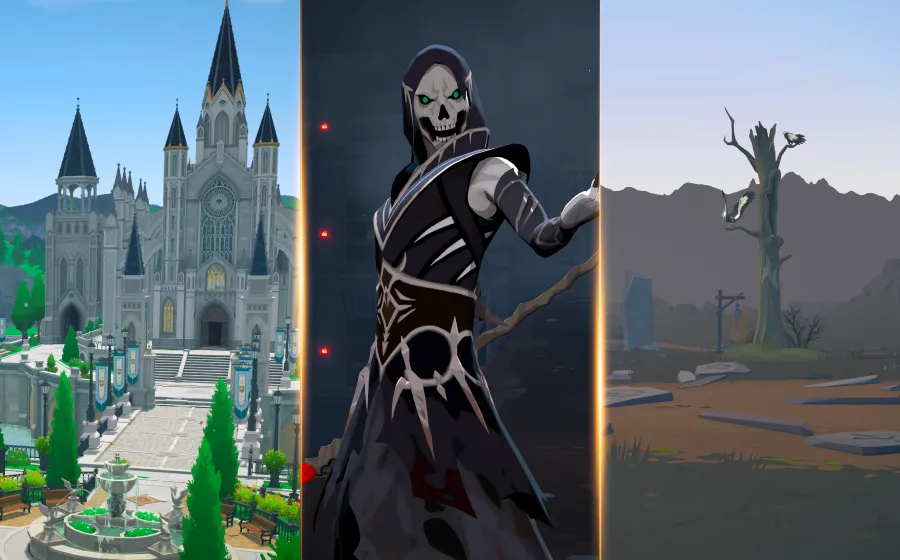
The two from the texts
Sen Mag Plains. Sen Mag means “old plain”. In the Book of Invasions, Partholón’s people, the first settlers after the Flood, all die of plague in a single week on Sen Mag Elta. Medieval writers linked the place with Tallaght near Dublin, from támlacht, a plague grave. The game’s version is all dead trees and broken stone. It fits the myth, and the PC game also places an old war of the gods here.
Gairech Hill. In the Táin Bó Cúailnge, the great Ulster epic, the last battle is fought at Gáirech and Irgáirech. Fergus, raging at his old king Conchobar, is stopped from striking him and slices the tops off three hills instead. The game’s hill shares the name, but nothing in Korea’s text points to the battle. We call this one likely, not confirmed.
Words, not stories: the dungeons
Dungeon names are mostly ordinary Gaelic words:
| Dungeon | Word | Meaning |
|---|---|---|
| Ciar | ciar | dark, black |
| Peaca | peaca | sin |
| Rundal / Runda | rúnda | secret |
| Fiodh | fiodh | wood, trees (Scottish Gaelic) |
| Math | maith “good”, or Math fab Mathonwy | if the second, the only name linked to the Welsh book itself |
Math is the interesting one. If it’s named after Math, the magician-king of the Fourth Branch, it’s the only place on the map that points to the Welsh Mabinogi that gave the game its title, rather than to Ireland.
The confusion: “Colhen must be Irish too”
It isn’t. Colhen is the starting town of Vindictus (Mabinogi Heroes in Korea), Nexon’s earlier action game set in the same world centuries before. Mobile borrowed the town from its own sister game, not from mythology. Pale Mountain, Cloud Wasteland and Wolf Forest are just descriptions. There’s no myth to find behind them.
Where Taiwan and Japan stand
- Taiwan has had 11 of the 14 regions since 9 September (Gairech, Cloud Wasteland and Bangor arrived then). Sen Mag Plains and Emain Macha, the two most myth-heavy names, come with Taiwan’s Season 1, expected 25 November.
- Japan launched on 7 October with Korea’s launch map: Tir Chonaill to Colhen, the real-places half of this table. The myth names come later there.
What to do now
- Read the region names as a guide to the story. It starts on real Irish and Scottish ground and moves into myth with Gairech and Sen Mag.
- Walk Emain Macha with Navan in mind. The game’s royal city is a white-stone cathedral town. The real one was a ring fort whose great hall was burned and buried about 2,100 years ago. The name is the only thing they share.
- If you want one source, read the Táin: Emain Macha, Gáirech and Fergus are all in it, in a short public-domain translation.
- Ignore sites that claim every name has a myth. About half of Korea’s map is real geography or plain description, and the honest answer for Dugald Aisle is “unknown”.
What would change this page: Korea naming a new region (the next map after Pale Mountain will probably come with Season 3), or an official devCAT note on where a name comes from. That would beat any etymology.
Inline icon sources: Image source: Nexon's official Mabinogi Mobile · Image source: youtube.com (community capture of Nexon's Mabinogi Mobile) · Image source: youtube.com (community capture of Nexon's Mabinogi Mobile) · Image source: youtube.com (community capture of Nexon's Mabinogi Mobile) · Image source: youtube.com (community capture of Nexon's Mabinogi Mobile) · Image source: youtube.com (community capture of Nexon's Mabinogi Mobile) · Image source: youtube.com (community capture of Nexon's Mabinogi Mobile)