The Four Branches: the Welsh book behind Mabinogi
✍️ Alice・愛麗沙
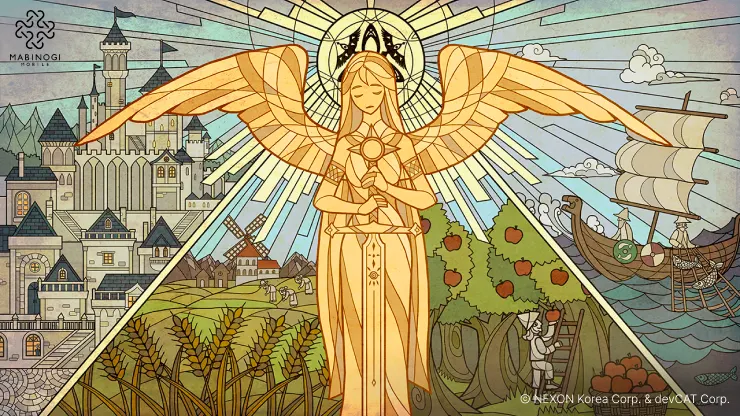
The game is called Mabinogi, and almost nobody who plays it has read the book the name comes from. That’s fair: the book doesn’t contain a single war goddess, Fomorian or Milesian, and the game doesn’t contain a single scene from the book. But the book is short, it’s one of the strangest and best things in medieval European literature, and once you’ve read it you’ll see why a studio might want its name without its plot.
“Mabinogi” is the name of four medieval Welsh prose tales, the Four Branches: Pwyll, Branwen, Manawydan and Math. They survive in two Welsh manuscripts from about 1350 and 1400, and each ends with a line closing “this branch of the Mabinogi”. The better-known title “Mabinogion” is a 19th-century label: the plural appears once in the manuscripts, probably a scribal slip, and Lady Charlotte Guest used it for her English translation, which added tales from outside the Four Branches. The game took the title, and its gods and wars from Irish myth instead. That’s less odd than it sounds, because Welsh and Irish tradition share gods under different names: Lleu is Lugh, Manawydan is Manannán. One Welsh name may survive in Erinn: Mas, the dungeon and abyss Korean players call 마스, is the PC game’s Math Dungeon, possibly named for the king of the fourth branch.
What the book actually is
The Four Branches are prose, not poetry, written in Middle Welsh by an author whose name we don’t know, probably around the late eleventh or early twelfth century. They survive complete in two manuscripts: the White Book of Rhydderch (about 1350) and the Red Book of Hergest (about 1382–1410). Each branch is a self-contained story, and each finishes with a formula saying that this is how this branch of the Mabinogi ends. That formula is why the word “mabinogi” is attached to these four and not to the other medieval Welsh tales bound beside them.
What the word means is disputed. It’s built on mab, “son” or “boy”. Older readings took it as “tales of youth” or “instruction for young storytellers”; others connect it with Mabon, the divine youth, and his British predecessor Maponos. None of these is settled, and you should distrust anyone who gives you a one-word translation with confidence.
Where “Mabinogion” comes from. In the 1830s and 1840s Lady Charlotte Guest translated these and other medieval Welsh prose tales into English and called the collection The Mabinogion. The plural form occurs once in the manuscripts and is usually read as a copying slip. Her title stuck, and today “the Mabinogion” means eleven tales: the Four Branches, four “native tales” including Culhwch and Olwen, the oldest Arthurian prose in Welsh, and three Arthurian romances. Strictly, only the four are the Mabinogi.
The four stories, briefly
The thread through all four is Pryderi, the only character present in each branch. Scholars have long argued the branches once told his life: birth, youth, marriage, death. As they survive, he’s often at the edge of his own story.
First branch: Pwyll, Prince of Dyfed. Pwyll insults Arawn, king of the otherworld Annwn, and pays for it by swapping shapes and kingdoms with him for a year, during which Pwyll sleeps beside Arawn’s wife every night without touching her and kills Arawn’s rival in single combat. Back home, he pursues the horsewoman Rhiannon, who can’t be caught by speed however fast he rides until he simply asks her to stop. Their newborn son vanishes; Rhiannon is accused of killing him and sentenced to carry visitors on her back at the gate like a horse. The boy is found years later and named Pryderi, “care” or “worry”.
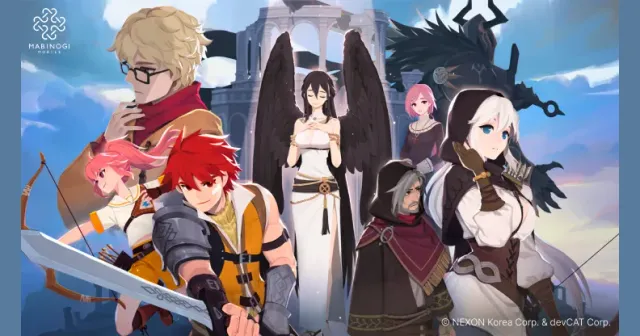
Second branch: Branwen, daughter of Llŷr. Branwen, sister of the giant king Brân (Bendigeidfran), is married to the king of Ireland. Her half-brother Efnysien, insulted at not being asked, mutilates the Irish king’s horses. Brân pays compensation, including a cauldron that brings the dead back to life, mute. In Ireland, Branwen is punished for the insult and sent to the kitchens; she trains a starling to carry a letter to Wales. Brân wades the Irish Sea with his army. The war that follows destroys both islands’ hosts; Efnysien breaks the cauldron by climbing inside it. Seven men survive, Pryderi among them, carrying Brân’s severed head, which talks and feasts with them for decades before it is buried in London facing France. Branwen dies of grief.
Third branch: Manawydan, son of Llŷr. Manawydan, a survivor of the war, marries the widowed Rhiannon. A mist falls on Dyfed and every person and animal vanishes except four. They try to live by crafts in England, making saddles, shields and shoes so well that local craftsmen run them out of every town. Pryderi and Rhiannon are trapped by an enchanted bowl in a fort that appears overnight. Manawydan catches a mouse stealing his wheat and sets out, absurdly and solemnly, to hang it. The mouse is the enchanter’s pregnant wife, and Manawydan trades her life for the lifting of the spell. The curse turns out to be revenge for something Pwyll did in the first branch.
Fourth branch: Math, son of Mathonwy. Math, lord of Gwynedd, must keep his feet in the lap of a virgin except in wartime. His nephews Gwydion and Gilfaethwy start a war with Pryderi so that Gilfaethwy can rape the footholder; Gwydion kills Pryderi by magic in single combat. Math punishes his nephews by turning them into a pair of deer, then pigs, then wolves, a year at a time. Gwydion raises his sister Arianrhod’s son, whom she curses with three destinies: no name, no weapons and no human wife unless she grants them. Gwydion tricks her out of the first two and, with Math, makes the third: Blodeuwedd, a woman made of flowers. She takes a lover, and the two plot to kill Lleu under the one set of impossible conditions in which he can die. He becomes an eagle; Gwydion finds him and restores him, and turns Blodeuwedd into an owl.
Why the game’s gods are Irish anyway
Read those four and you’ll see the problem a game designer faces: these are court stories about marriage, insult, compensation and inheritance, with magic arriving as a consequence. There’s no cosmic war, no invading race, no pantheon to fight beside. Ireland’s mythological cycle has exactly that: waves of peoples crossing the sea to Ireland, the Tuatha Dé Danann against the Fomorians at Mag Tuired, war goddesses on the field. devCAT took that skeleton for Erinn; our Celtic myth and Dark Souls piece and the war goddess article trace it.
The confusion to correct: “Welsh title, Irish world” isn’t a mismatch of two unrelated things. Welsh and Irish are sister Celtic traditions, and several figures appear in both under related names:
| Welsh (the Mabinogi) | Irish | What they share |
|---|---|---|
| Lleu Llaw Gyffes | Lugh | the skilled young god; even the names are cognate |
| Manawydan son of Llŷr | Manannán mac Lir | sea-lineage, otherworld associations |
| Llŷr | Lir | the sea-father |
| Brân’s cauldron of rebirth | the Irish otherworld’s vessels of plenty | the magic cauldron |
So a game that names itself after the Welsh book and builds its world from the Irish one is drawing from one family, not two. The Welsh tales are the family’s domestic dramas; the Irish ones are its war chronicles.
The one Welsh name that may still be in Erinn
PC Mabinogi has a Math Dungeon near 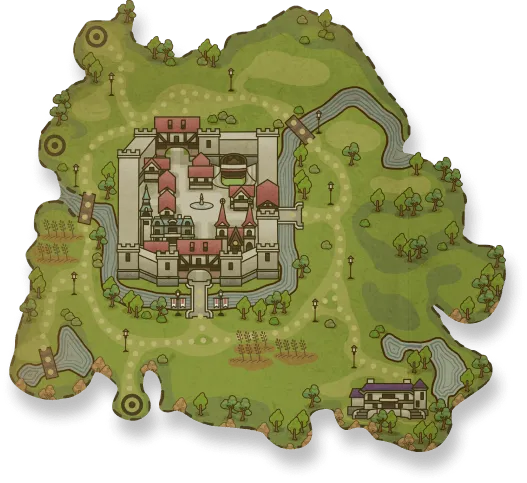 Dunbarton. Mobile kept the same Korean name, 마스, which Korean-server English material writes as Mas: the
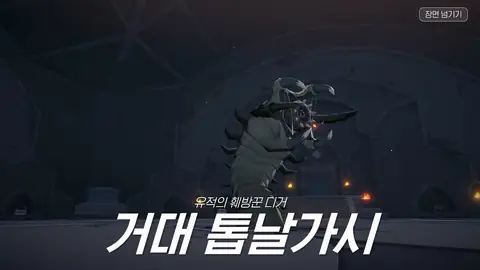 Mas Dungeon, the Mas Deep Dungeon and the Mas Abyss, where Hell tiers began. The PC community wiki offers two origins for the name: Math son of Mathonwy, the king of the fourth branch, or the Gaelic word math, “good”. It doesn’t choose, and we can’t either; devCAT has never said. If it’s the first, then every Hell run through Mas Abyss passes through the only place in Erinn named after a character in the book on the game’s cover.
Where Taiwan and Japan stand
The game carries the same title on every server, written in each language’s own script, and its lore is identical everywhere: Taiwan and Japan meet the same 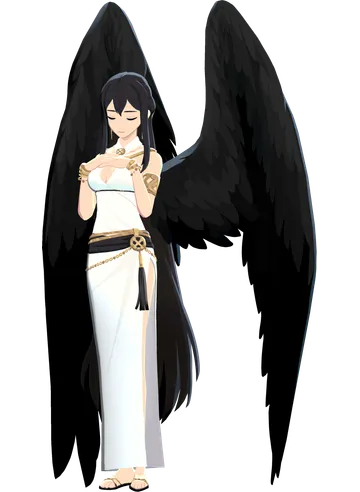 Morrighan and the same Mas. Japan’s launch on 7 October started with the Mas Abyss in its first patch, so Japanese players are walking through that possible Welsh name now. Nothing in this piece depends on a server’s patch level.
What to do now
- Read the Four Branches. They’re about 100 pages. Sioned Davies’s 2007 translation is the modern standard and reads aloud well; Jeffrey Gantz’s Penguin is older and easy to find.
- Read them as a family saga, not as a source for the game’s plot. Follow Pryderi and Rhiannon, and the debts from the first branch that come due in the third.
- Ignore claims that the game retells the Mabinogion. It retells Irish myth under a Welsh title.
What would change this: a devCAT interview explaining the Mas / Math name, or Season 3 story content drawing on Welsh material. We’ll update the Math row of our mythology table if either appears.
Inline icon sources: Image source: Nexon's official Mabinogi Mobile · Image source: youtube.com (community capture of Nexon's Mabinogi Mobile)